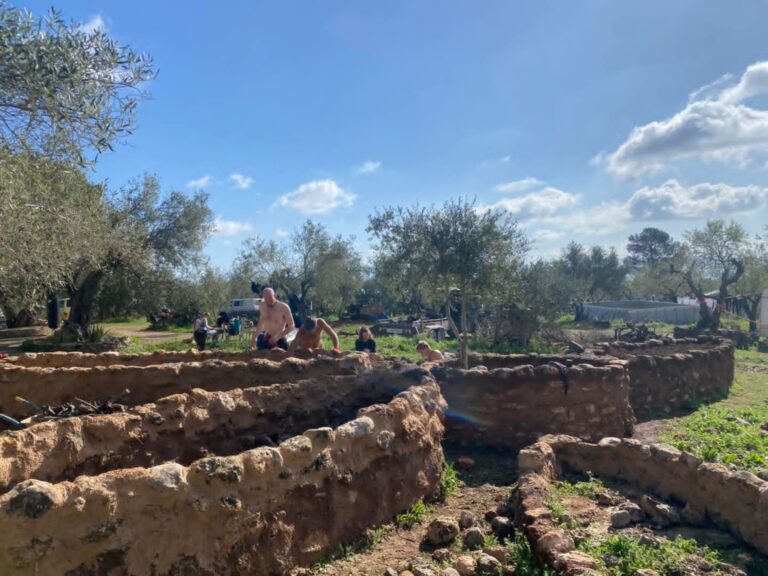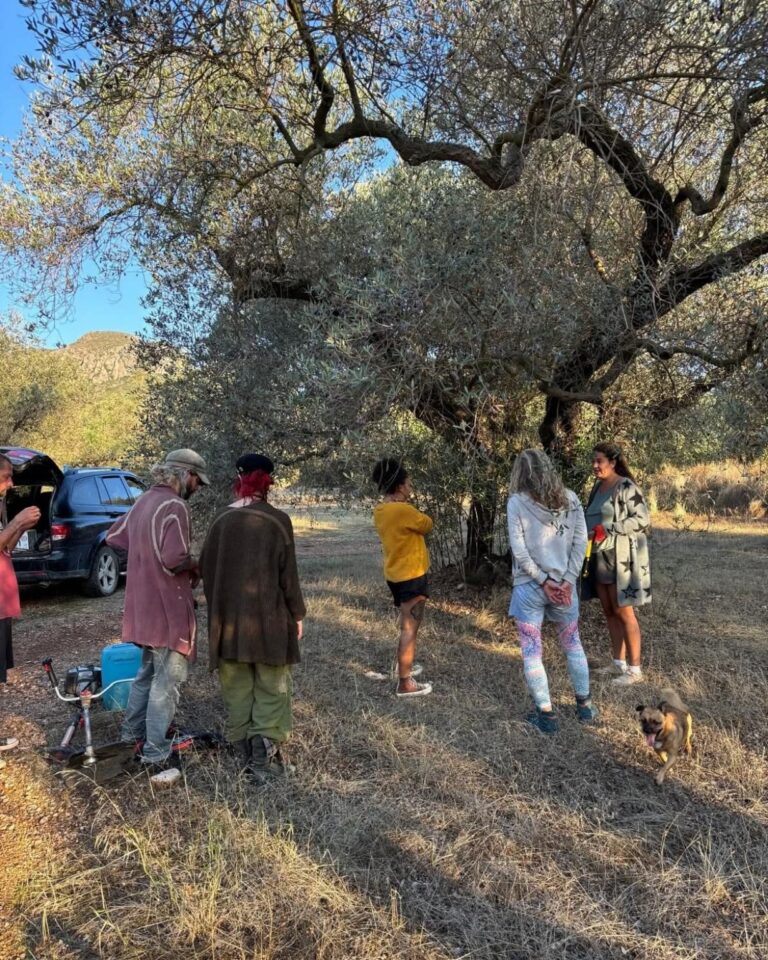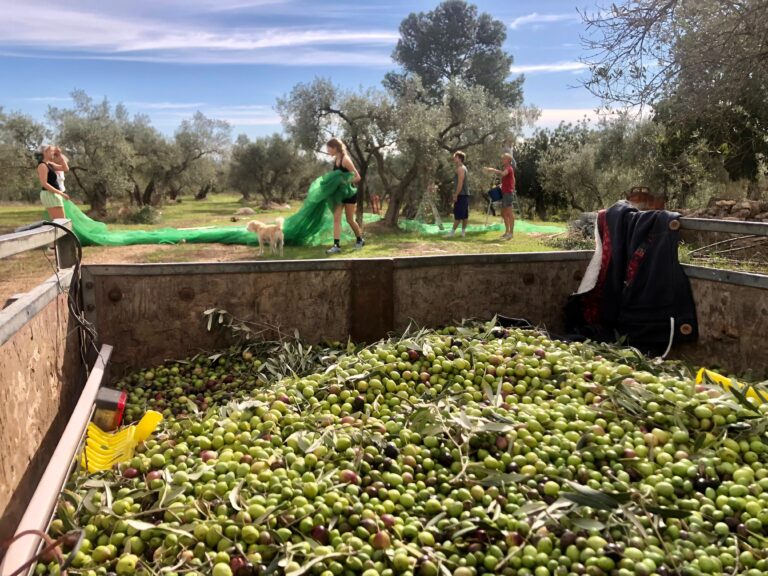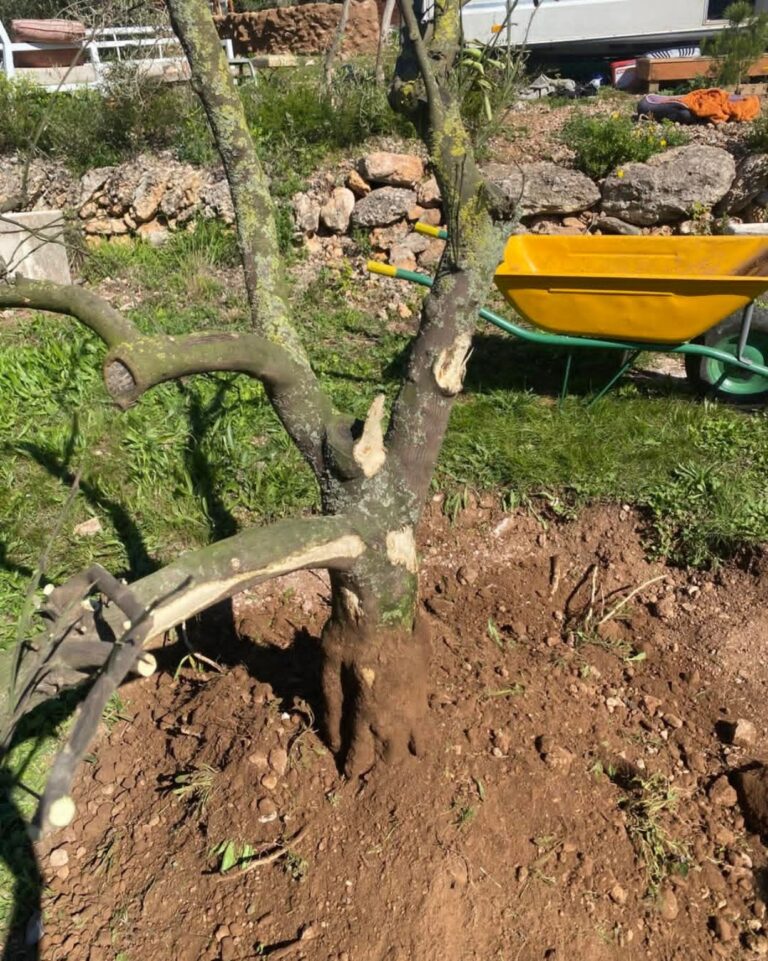
artisanal Spanish extra virgin olive oil harvest
Many people assume that Spanish olive oil is good by default. Spain is the world’s largest olive oil producer, olive trees dominate the landscape, and olive oil feels deeply rooted in tradition. Add labels like extra virgin or cooperativa, and it sounds even more reassuring.
But the truth is less comfortable: not all Spanish olive oil is good olive oil. In fact, a large part of what is produced in Spain today has little to do with quality. Real quality is not decided by the country, the label, or the bottle. It starts much earlier — on the land itself.
To understand what artisanal Spanish extra virgin olive oil really is, we need to look at how most olive oil is actually produced.
Spain Has Olive Oil — and Two Very Different Systems
Spain produces enormous quantities of olive oil. To achieve this, most production follows an industrial logic: speed, volume, and efficiency.
Large areas of olive groves are managed so machines can harvest as fast as possible. The soil is often kept bare with chemicals because living ground slows tractors down. Green grass is seen as a problem, not as a sign of healthy land.
For many farmers in this system, olive growing is no longer about food quality. It is about delivering olives to the mill, getting paid per kilo, and moving on to the next field. What happens to the oil afterward is no longer their concern.
This system produces most of the olive oil on the market — and yes, much of it is Spanish.
How Olives Are Commonly Harvested in Industrial Production
In many conventional olive groves, olives are not carefully picked. Trees are shaken by machines, and olives fall directly onto the ground.
They are not collected immediately.
Often, olives:
- lie on the soil for days or even weeks
- are exposed to heat, moisture, and dirt
- begin to ferment and rot
When they are finally brought to the mill, no one asks how long they have been on the ground. They are weighed, the farmer is paid, and that is the end of the relationship.
Chemical treatments are widely used because they allow one tractor to harvest many hectares in a single day. Without chemicals, harvesting would require time, people, and care — and that costs money.
Why This Olive Oil Still Becomes “Extra Virgin”
By the time these olives are pressed, the oil often has serious defects. It smells unpleasant and tastes bad. It is not suitable for direct consumption.
This is why refining exists.
Refining is used to:
- remove bad smells
- neutralize unpleasant flavors
- correct defects caused by fermentation
After refining, what remains is a neutral fat. To make it sellable, it is blended with a small percentage of better oil and adjusted to fit legal limits.
Despite this process, the final product can still legally be sold as extra virgin olive oil.
This is not a theory. It is how the current system works.
The Cooperativa Myth
Many tourists and travelers believe that buying olive oil from a cooperativa means buying good olive oil. It feels more authentic than supermarket brands.
It is true that cooperativa oil is one step above mass-market supermarket oil. But it is still a volume-driven system.
In a cooperativa:
- olives from many farmers are mixed together
- quality differences disappear
- olives that lay on the ground are pressed together with fresher ones
- speed matters more than freshness
The result is often olive oil that:
- barely meets extra virgin standards
- has acidity close to the legal maximum
- comes from chemically treated land
- lacks freshness and nutritional value
It may feel traditional, but it is not top-quality olive oil.
Why Acidity and Labels Are Misleading
Extra virgin olive oil must legally have an acidity below 0.8%. That is true.
But an oil can:
- be made from fermented or rotten olives
- contain residues from chemical farming
- come from dead, chemically treated soil
- be nutritionally poor
and still meet that legal requirement.
Acidity alone does not define quality. It only shows whether the oil passed a laboratory threshold.
What Real Artisanal Spanish Extra Virgin Olive Oil Looks Like
True artisanal olive oil follows a completely different rhythm.
It comes from groves where:
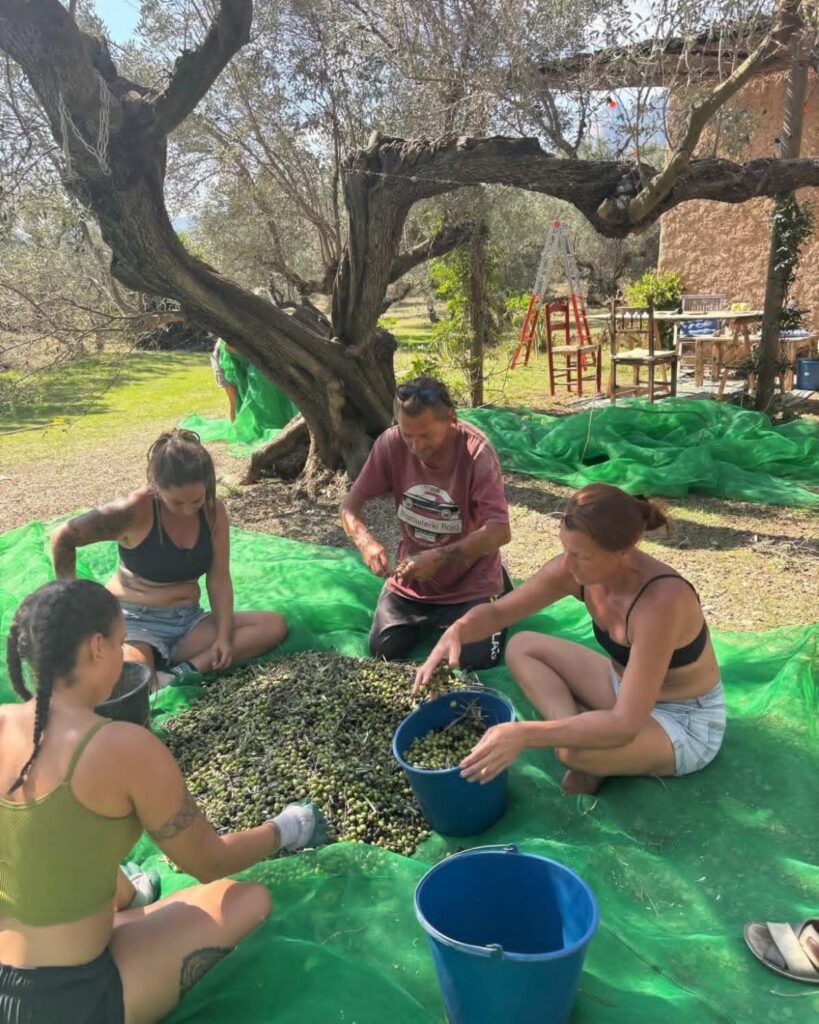
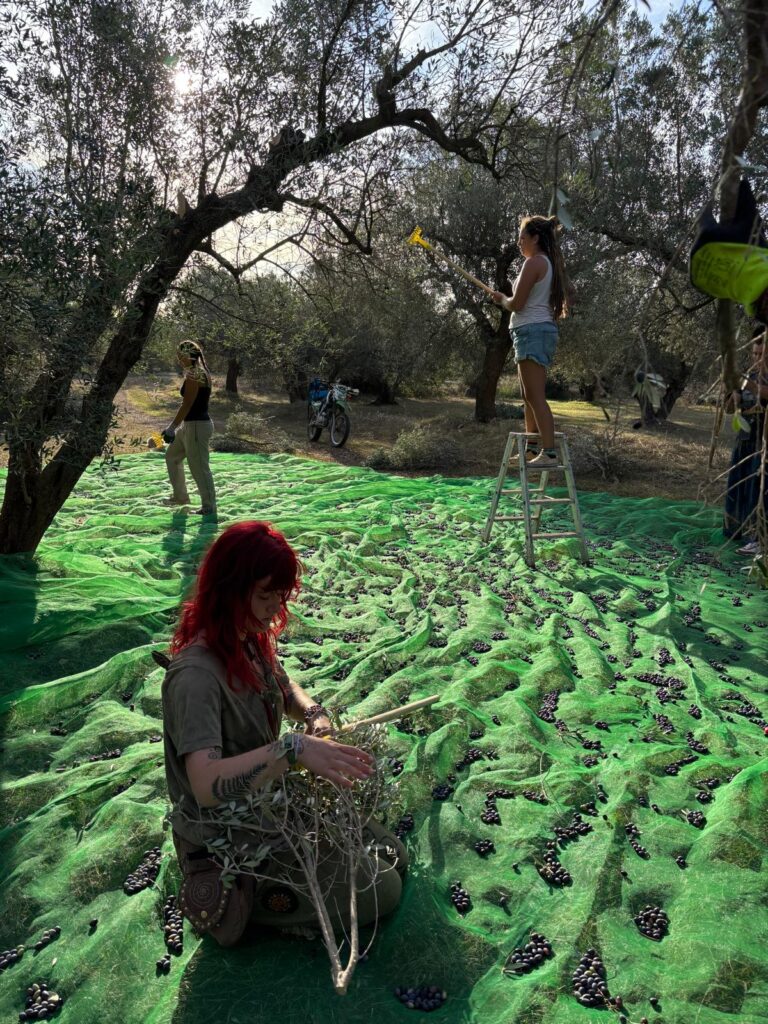
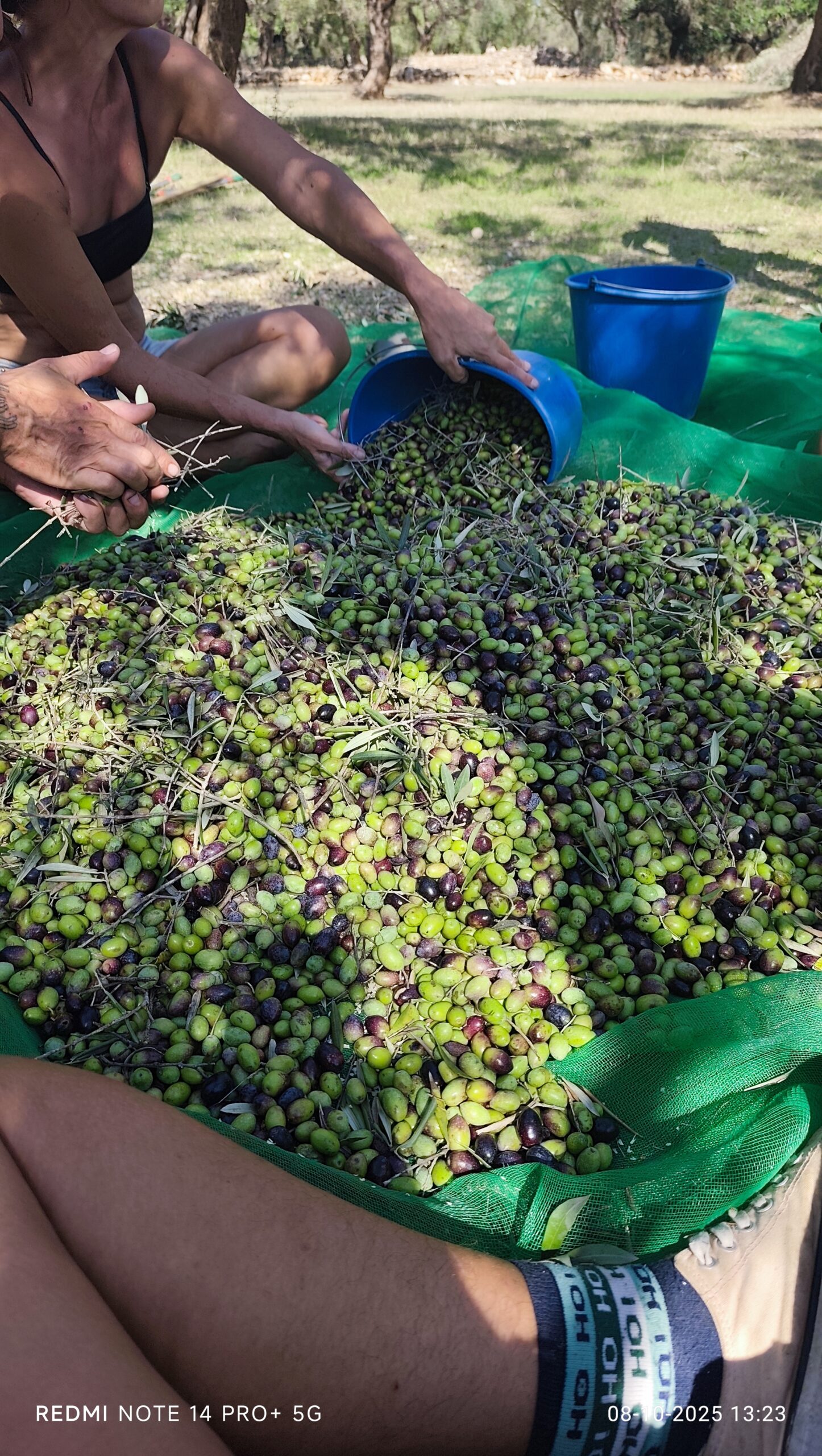
- olives are harvested with nets, not tractors
- olives never touch the ground
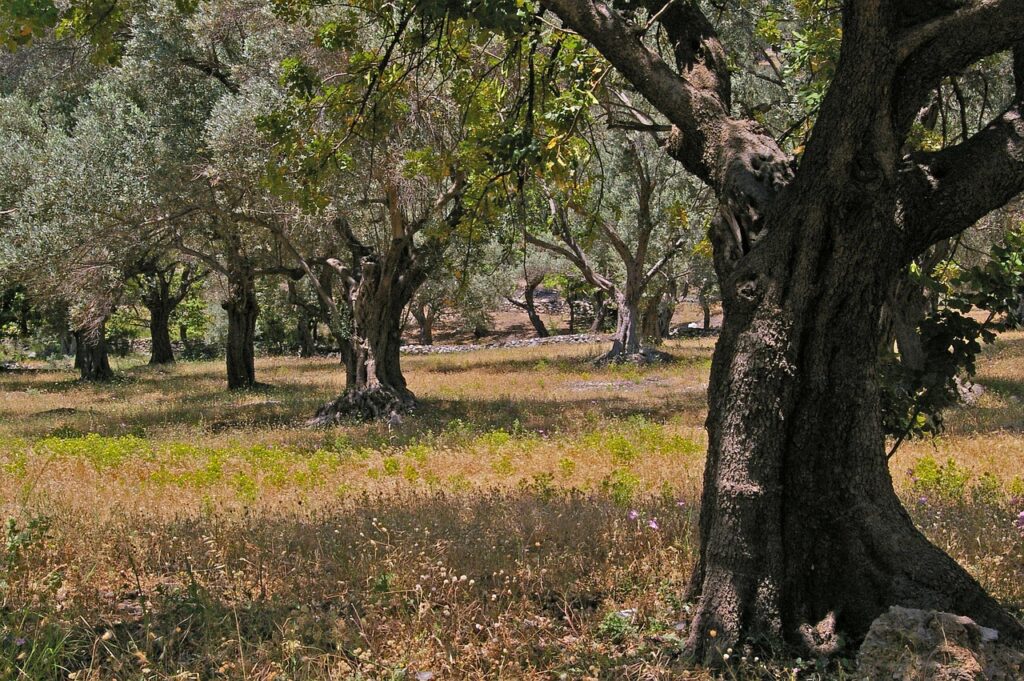
- the soil is alive and often green
- chemicals are avoided
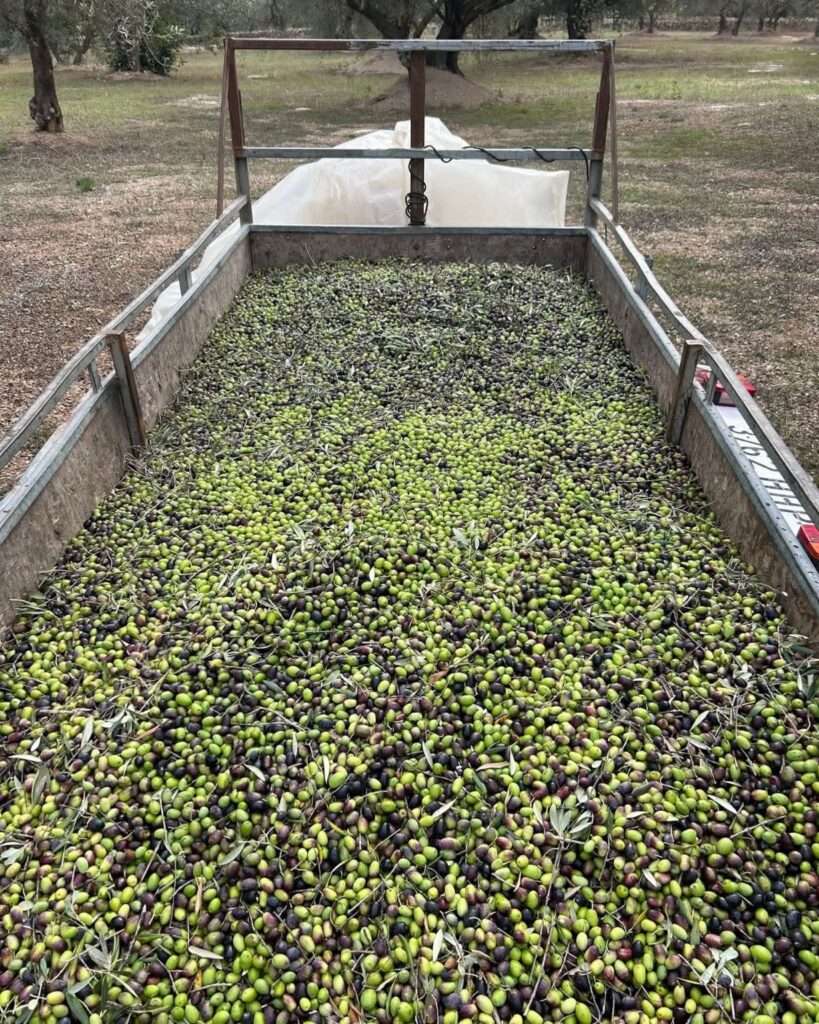
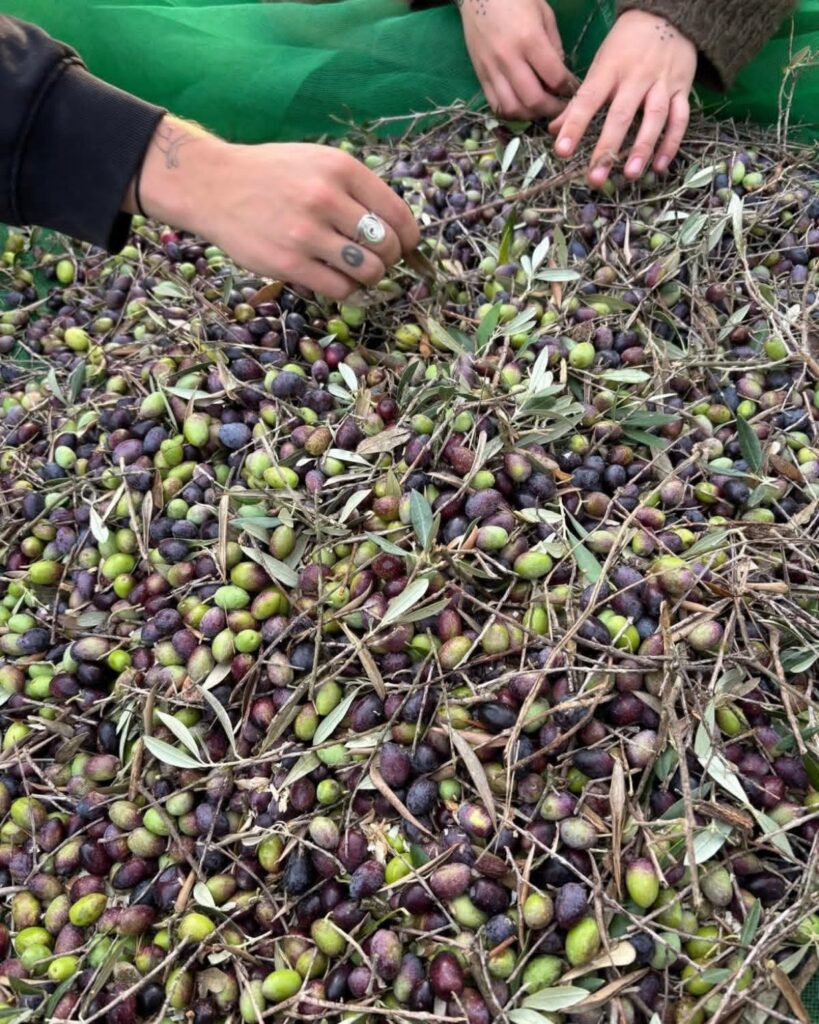
Harvesting is slow and careful. Olives are treated as food, not as raw material.
They are pressed the same day or the next day, before fermentation can begin.
Because the olives are fresh and healthy, the oil does not need refining, correction, or blending. It can remain exactly as it is.
Why Artisanal Olive Oil Tastes Different Every Year
Real olive oil is a natural product. Weather changes. Rain changes. Harvest timing changes.
That is why artisanal olive oil:
- tastes different each year
- can be bitter or peppery
- feels alive instead of flat
Uniform taste year after year is not a sign of quality. It is a sign of heavy control.
Variation means the oil comes from real trees, real land, and real decisions.
Why This Is Rarely Explained
None of this information fits on a label.
You will not read:
- how olives were harvested
- how long they lay on the ground
- whether chemicals were used on the land
- how quickly the olives were pressed
So people assume that Spanish olive oil or cooperativa olive oil equals quality.
In reality, quality is not about geography or structure.
It is about what happens on the land, day by day.
Choosing Olive Oil With Open Eyes
Artisanal Spanish extra virgin olive oil is not about luxury or trends. It is about respect — for the land, the olives, and the people who consume the oil.
If you want to choose better olive oil, ask simple questions:
- How are the olives harvested?
- Do they touch the ground?
- How fast are they pressed?
- Is variation accepted from year to year?
When these answers are clear, quality becomes visible — without marketing and without confusion.
That clarity is what separates farm-direct, small-batch olive oil from most of what fills supermarket shelves.